A Small Tradition
At the beginning of 2024, on a completely random evening, I went for a walk through the farms just outside Kabarak University. I was just curious — wandering the way you do when an evening feels too good to spend indoors. The writing itself is probably safe to skip; I just hope the photos may be worth the look.
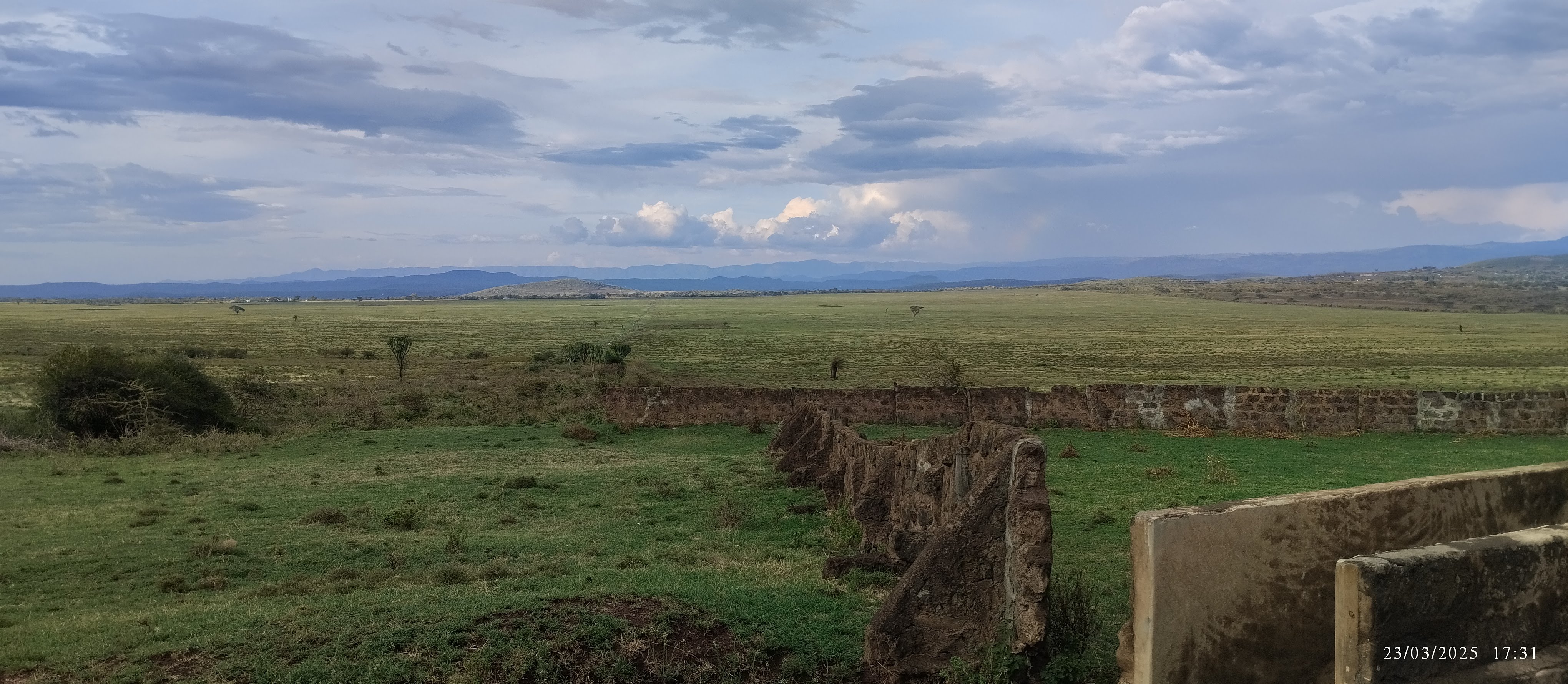
After walking for some distance, the land suddenly opens up. A gentle escarpment overlooks an expansive plain of grassland, with a patch of woodland and a line of hills fading into the distance. It's one of my favourite places around campus. I don't know if everyone would find it beautiful, but I certainly do.
By pure luck, that evening happened to coincide with moonrise. I never noticed the darkness slowly gathering around me because I was too busy watching the moon climb above the horizon.
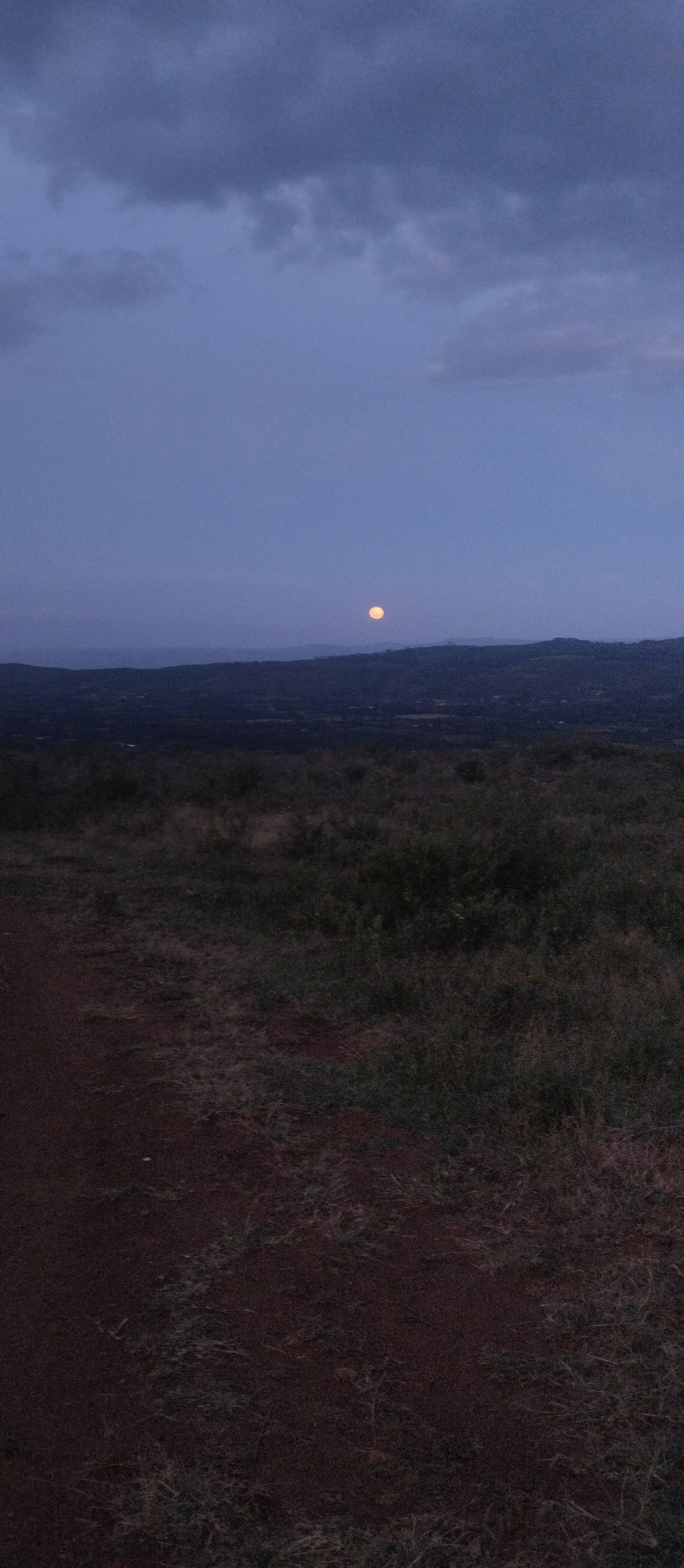
I can't really explain why that moment stayed with me. It wasn't dramatic. Nothing extraordinary happened. Yet I left knowing that I wanted to come back and watch the next full moon rise from the same spot.
After a little searching, I realised that late January or early February was usually the best time. The dry season meant fewer clouds, and if I arrived at roughly the right time, I could watch the moon appear over the plains almost exactly as I had before.
So, when 2025 began, I looked up the full moon dates, marked my calendar, and returned.
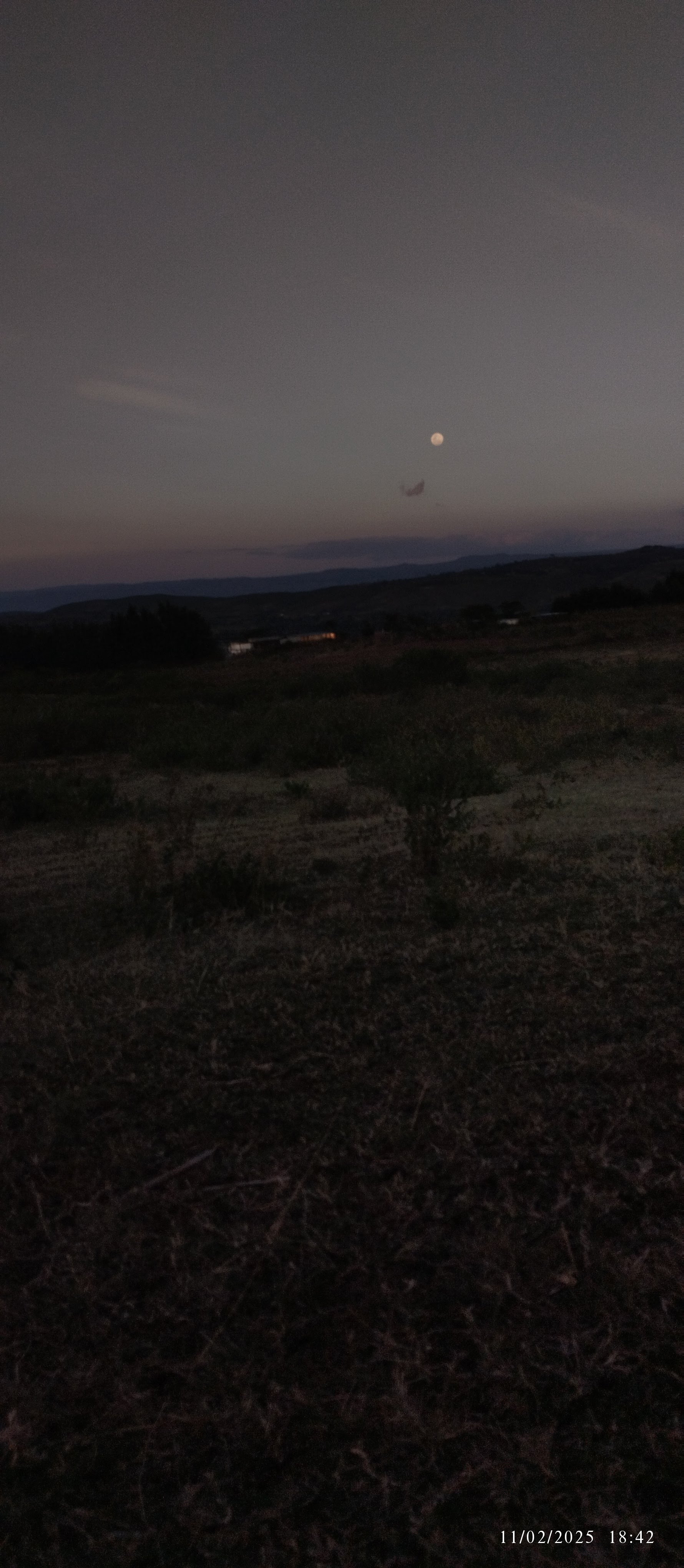
It turned out to be genuinely fun — having something small like that to look forward to, marked on a calendar months ahead.The ritual itself wasn't important. It wasn't productive, educational, or particularly useful. But it gave me something to anticipate months in advance. It also made me appreciate why people and cultures hold on to recurring traditions — whether they're celebrated every week, every season, or once a year. Perhaps their value isn't always in what they accomplish, but simply in giving time a rhythm.
That year rewarded the effort with the clearest view yet.
Then life carried on. Assignments accumulated. Classes resumed. Other interests took over. The moon quietly slipped out of my thoughts again.
But sometime near the end of December, while thinking about the coming year, I remembered. I checked the lunar calendar again, created another reminder in Google Calendar, waited until I had settled into the new semester, and returned to the same overlook.
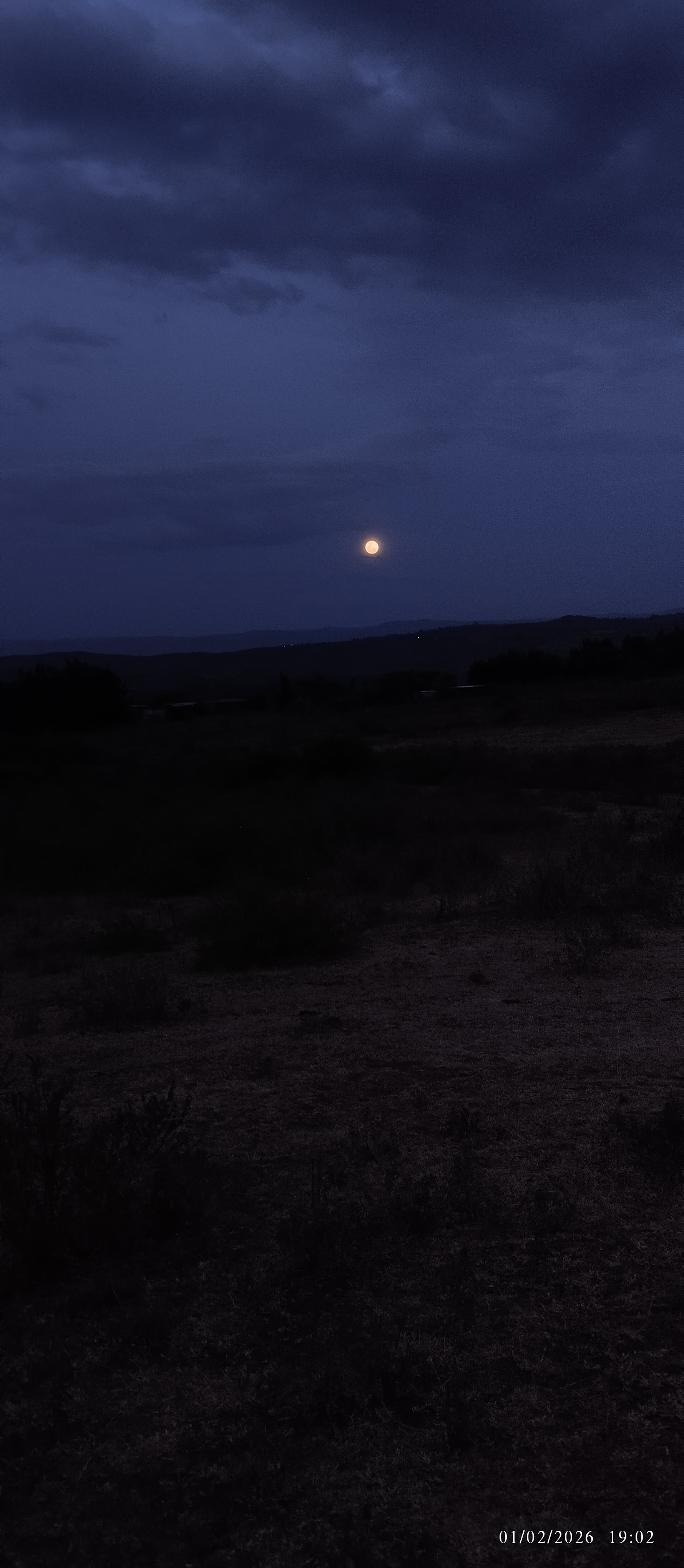
This time, in 2026, the weather had other plans.
Clouds covered much of the sky, and the rainy season arrived earlier than usual. The moon occasionally revealed itself through breaks in the cloud cover — still beautiful to watch, even if the camera struggled to capture what my eyes could see.
I sometimes wonder whether people in STEM really are as methodical as the stereotypes suggest. The kind of people who would continue holding a mathematics lecture through floods, earthquakes, or an alien invasion because, after all, the timetable says the class starts at 8:00.
Perhaps there is some truth to that.
After all, each year I deliberately looked up an astronomical event, put it on my calendar, travelled to exactly the same place, and watched exactly the same celestial object that humanity has been watching for thousands of years.
Objectively, nothing new happened.
And yet, every year, it made me happy.
Afterthought
There's probably no deeper lesson hiding in this story. It's not meant to be an argument for mindfulness or slowing down or reconnecting with nature. Sometimes a pastime is just a pastime.
This is simply one of the small traditions I accidentally started while at university.
If nothing else, I hope the photos were worth the walk.