My Experience in Field Operations
Introduction
After completing my third year of university, I undertook an internship as part of my coursework and was fortunate enough to land a placement in a large, fast-paced telecommunications environment. The internship ran from September to December 2025. We were five interns from a mix of backgrounds: an electrical engineer, a telecommunications engineer, a BBIT graduate, and two of us from computer science.
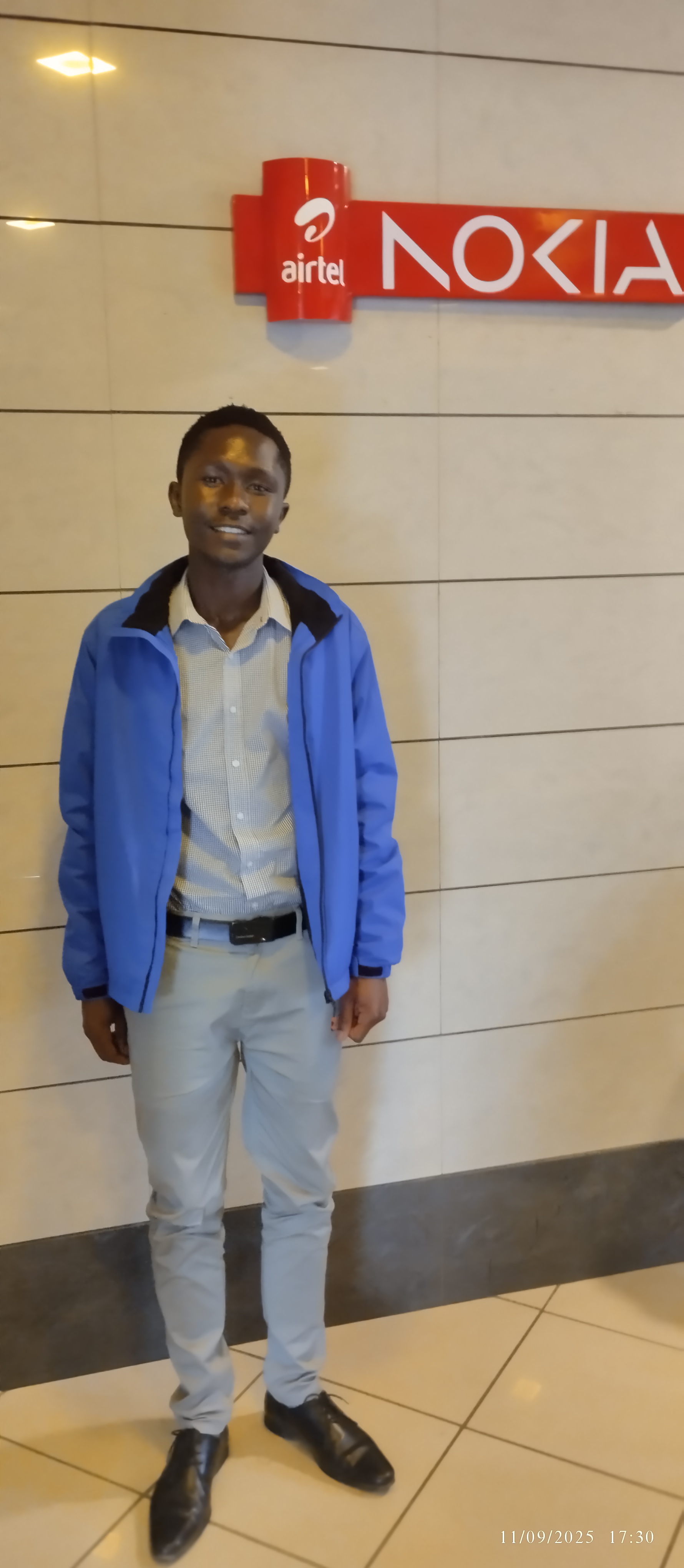
In this post, I want to document my experience in one department in particular: Field Operations. I'm sincerely grateful to Nokia for the opportunity to learn from such an esteemed team of professionals.1
Field Operations
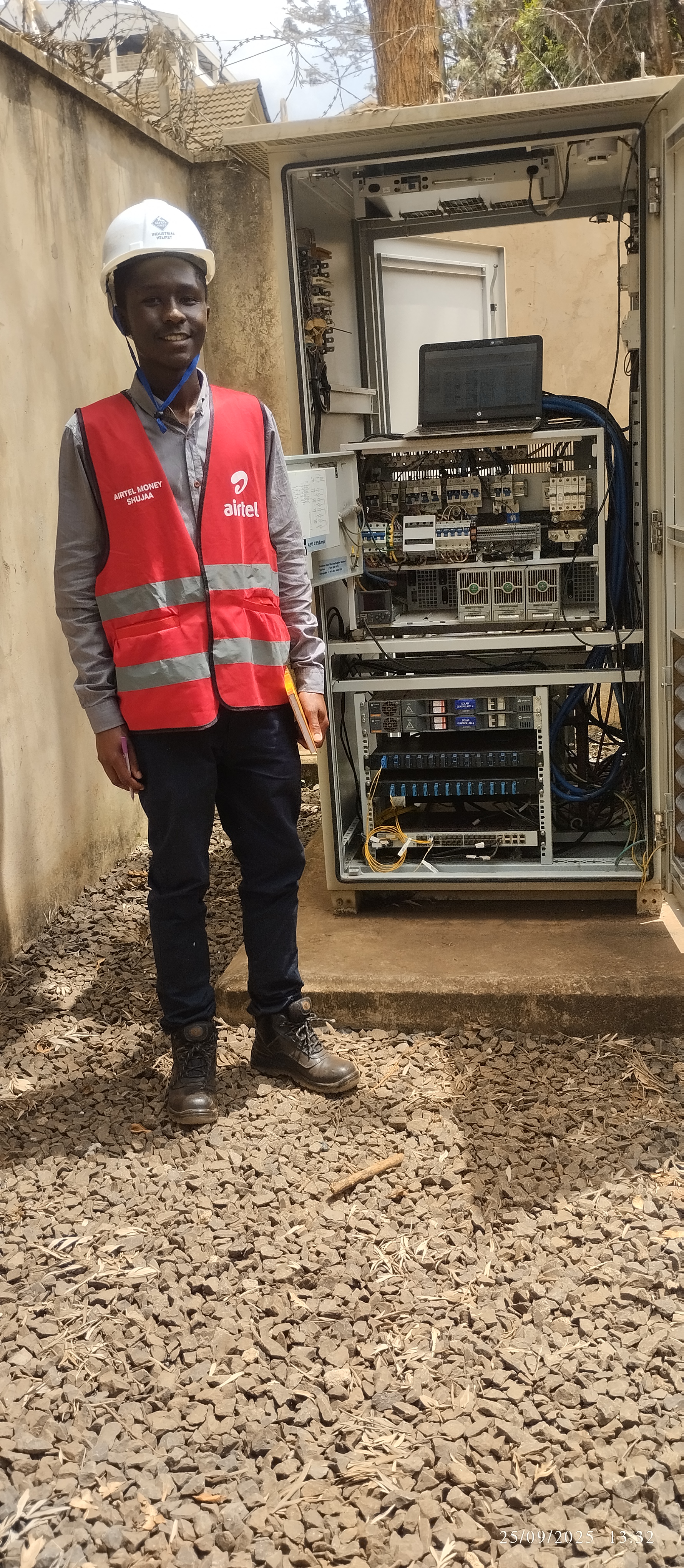
The first thing that struck me about Field Operations was just how central Environment, Health, and Safety (EHS) is to everything Nokia does on site. The rules were strict, and for good reason:
- I always wore my PPE on site — helmet, reflector vest, and safety boots.
- I never climbed a cell tower, since I wasn't certified to work at height.
- I followed every other site rule without exception: never standing beneath a rigger working on the tower, always wearing a seatbelt when moving between sites, and so on.
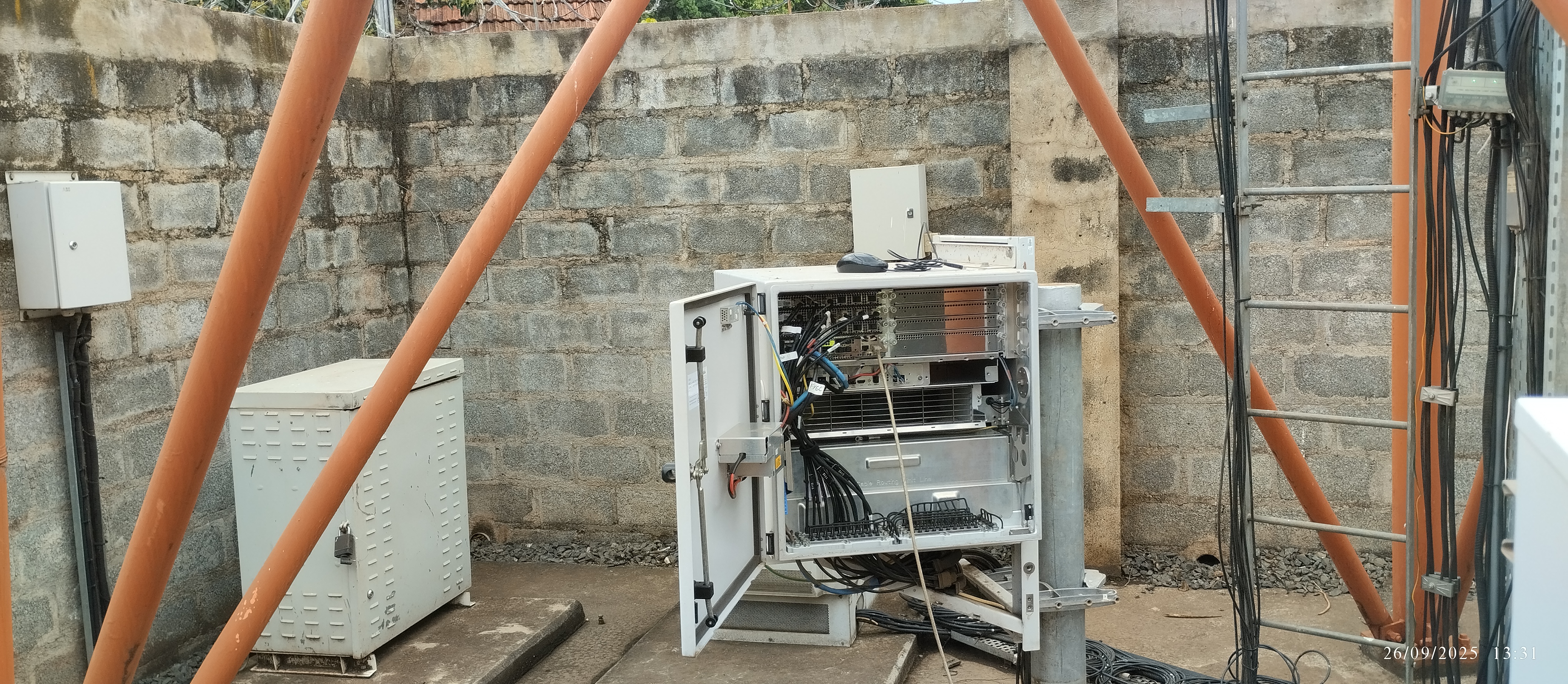
Over the course of the internship, I visited 12 sites in total, including a data centre in Nairobi's CBD. On my very first site visit, we had to replace a faulty Small Form-Factor Pluggable (SFP)2 on a Remote Radio Unit (RRU). Having already learned how to log in to the base station from the Network Operations Centre, I helped the Field Operations Engineer (FOE) do this on site, connecting the laptop to the system module via an Ethernet cable. Before he climbed the tower, we tested the replacement SFPs and checked Nokia's Network Management System (NMS) to confirm the links would stay up. Once we'd verified this, the FOE went up and swapped the faulty SFP while I stayed at the bottom with a fellow intern, monitoring the site changes on the laptop.
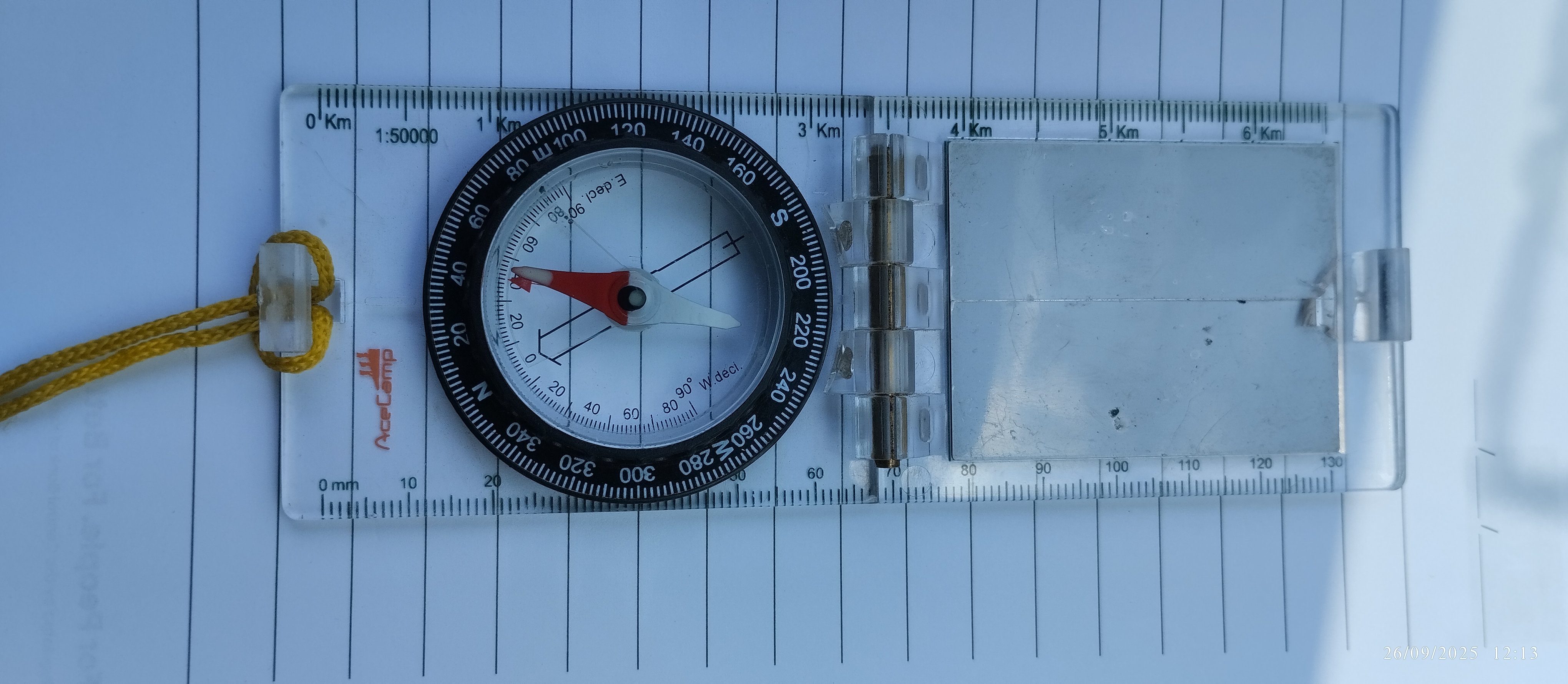
The next major task I took part in was a Network Planning and Optimisation (NPO) exercise. There was a coverage gap in a densely populated part of Kikuyu town, Kiambu County, so we needed to adjust the azimuth and mechanical tilt of several antennas across different sites to close it. Azimuth is the horizontal angle of the antenna, typically measured clockwise from true north. Mechanical tilt (MT) refers to the physical up-or-down adjustment of the antenna's angle, measured with an inclinometer — at 90°, the MT reads 0; at 89°, it reads 1.
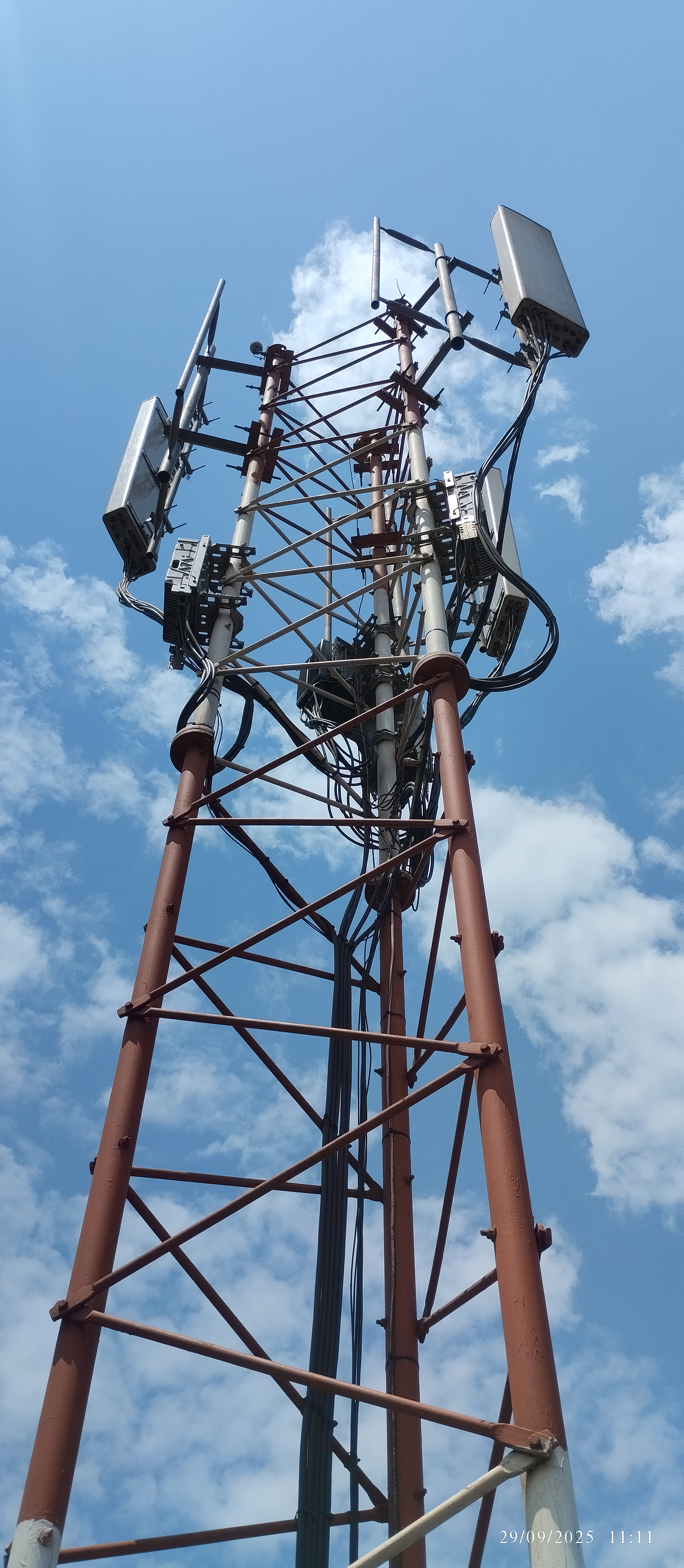
By happy coincidence, one of the sites we worked on for this NPO task was at my former high school. Back then, I had always admired the cell tower simply because of how tall it was. Years later, I found myself working on that very site and learning about concepts such as Antenna Base Height (ABH), azimuth, and antenna tilt that I had never known existed. But the real lesson that day had nothing to do with antennas.
After we wrapped up, the school principal happened to be nearby and stopped to chat. He mentioned he liked our network's pricing but felt the 5G service was unreliable. Almost immediately, the FOE's problem-solving instincts kicked in. He knew this site well and knew its 5G cell was actually one of the best-performing in the area — so his first move was to ask the principal for specifics: was it call quality, or data? He was fully prepared to run diagnostics on the spot, because to him, the customer always came first.
It turned out the principal wasn't even a subscriber to our network — he was just repeating complaints he'd heard secondhand. But what stayed with me wasn't that detail. It was watching the FOE's readiness to take the complaint seriously and dig in immediately, no matter who was raising it. That experience demonstrated the professionalism and customer-first mindset of the engineers working behind the scenes to keep our communication networks running every day.
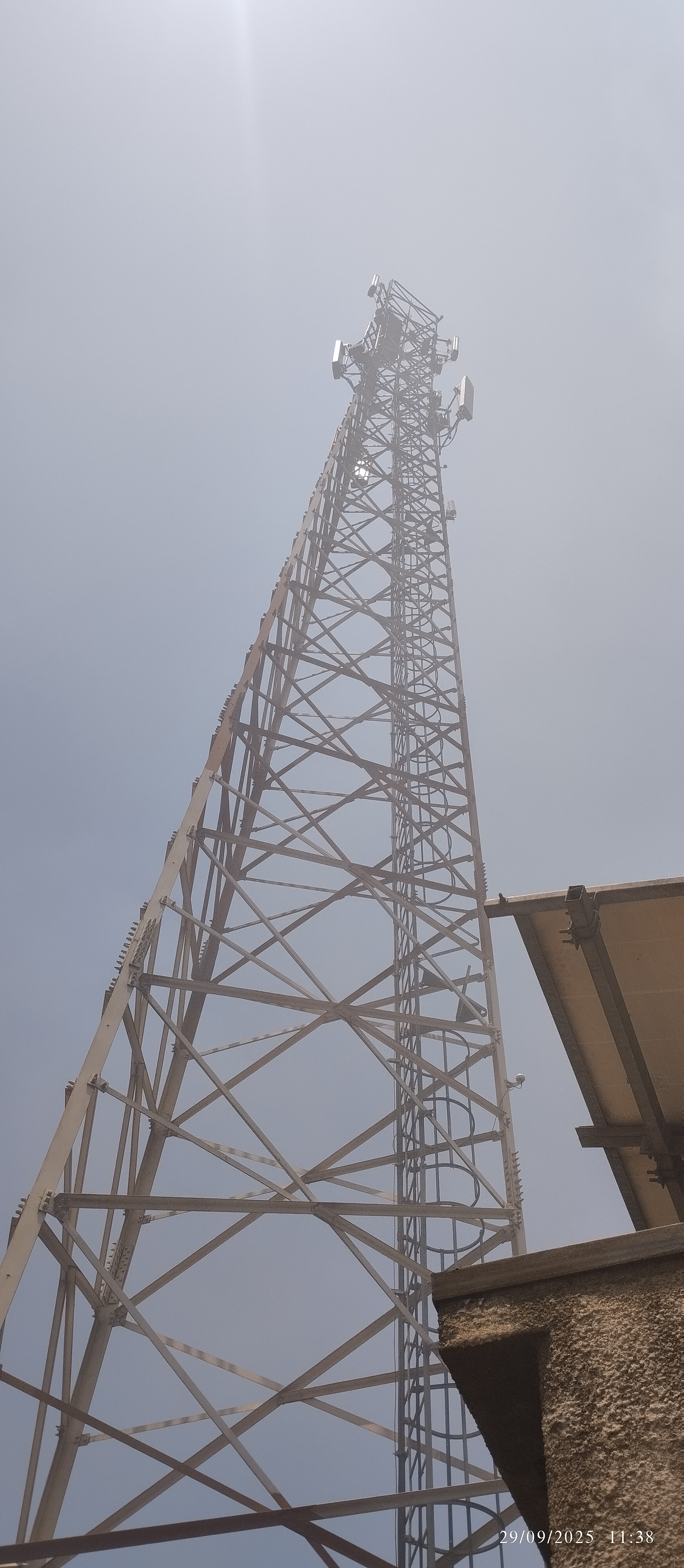
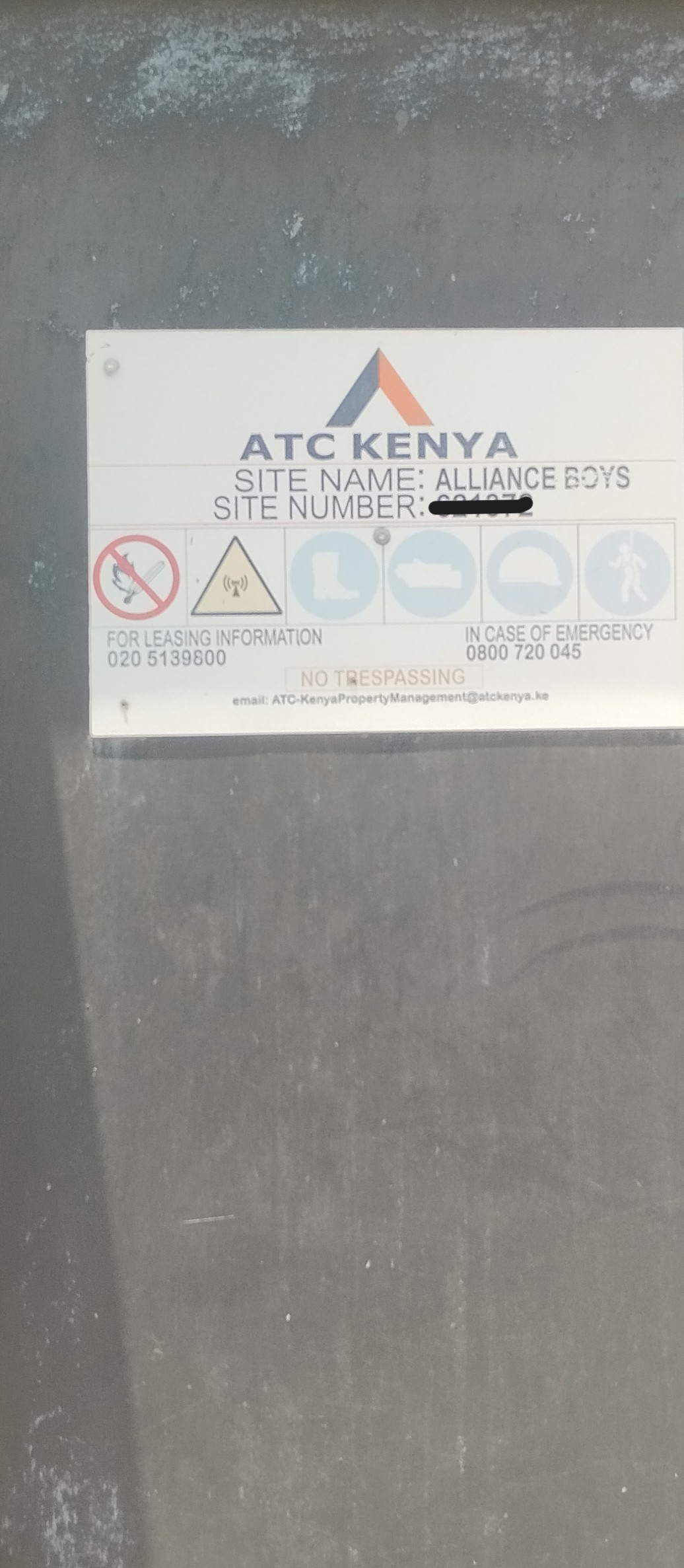
Later that same day, we headed to Spring Valley, Nairobi, to follow up on a customer complaint. We used G-Net Tracker to measure Reference Signal Received Power (RSRP) and Reference Signal Received Quality (RSRQ) near one of our sites.
One of the highlights of the entire internship was an educational visit to a Nokia-managed data centre in the Nairobi CBD. We started with the building itself — things like the raised (false) floor — before moving on to the passive infrastructure: power and cooling systems. What impressed me most was the sheer level of redundancy built into both the passive and active equipment. Downtime, it was made clear, was to be avoided at all costs. We looked at Base Station Controllers, Radio Network Controllers, routers, DWDM equipment, backup lithium-ion batteries, and the cooling fans that keep everything at the right temperature.
Logistics and Warehousing
I didn't get much exposure to logistics beyond labelling packages for shipment — everything from new cards and SFPs to jumper cables and RRUs. Warehousing, though, took up a good chunk of my time. It was repetitive, detail-heavy work, so we split into smaller groups to divide the labour — a pair and a group of three. Within my pair, one of us worked on Excel, verifying that the data coming in from the scanner was accurate, while the other scanned part numbers and serial numbers (and then we'd switch). Faulty equipment identified this way would then be shipped back to the manufacturer or vendor for repair.
Lessons Learnt
The most important lesson came out of that very first site visit. The FOE told me that if he ever delegated a task to me and I had any doubt about my ability to complete it, I needed to tell him — not push through and hope for the best. It sounds simple, but it reframed something for me: admitting "I don't know" isn't a weakness. It's what prevents disasters, in a career and in life more broadly.
The second lesson follows naturally from the first. Everyone in tech is, in some sense, always learning — for two reasons:
- The field never stops evolving.
- Tech demands a high degree of accuracy and precision, and sometimes that means going back to remind yourself of the fundamentals. It's a bit like an experienced surgeon returning to the dissection lab now and then, not because they've forgotten anatomy, but to stay sharp enough to avoid a mistake in the operating room.